

Oil Paintings
Augustus William Enness (1876-1948)
Martigues, France
Medium: Oil on board
Provenance: Signed
Image Dimensions: 20" x 15" (50.8cm x 38.1cm)
Price:
£3,200.00
Augustus William Enness’s Martigues, France (1876–1948) achieves technical merit through fluid, impasto brushwork and a vibrant, light-saturated palette that captures the Mediterranean atmosphere. The composition balances solid, sun-bleached architectural forms against the spontaneous energy of loose, impressionistic marks on the water’s surface, highlighting a command of tonal contrast and structural harmony.
Enness uses rapid, confident brushstrokes to manipulate depth and reflection, allowing the canvas to vibrate with heat and motion. This approach highlights his departure from rigid academic constraints, placing his practice within the context of early 20th-century British Post-Impressionism. By absorbing continental color theory and en plein air techniques, Enness bridged traditional British sensibilities with the modernism emerging across Europe
We don't currently have any other pieces by this artist in the gallery. By following them, you'll receive an email notification as soon as any new acquisitions arrive.
Follow Artist-

Augustus William Enness (1876-1948)
An Arab Market
Medium: Oil on canvasProvenance: SignedImage Dimensions: 11½" x 15½" (29.2cm x 39.4cm) -

Augustus William Enness (1876-1948)
Nr Dolgellau, North Wales
Medium: Oil on canvasImage Dimensions: 20" x 16" (50.8cm x 40.6cm)
Contact us on 01935 814465 or use the form below.
You May Also Like
-
 Oil Paintings
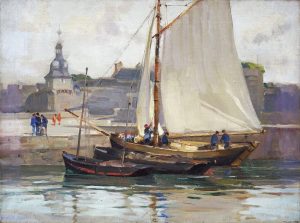
Brittany Coast, France
Medium: Oil on canvasProvenance: Signed & Inscribed on ReverseImage Dimensions: 16" x 12" (40.6cm x 30.5cm) -
 Watercolours
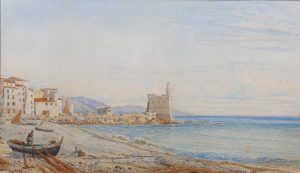
Mentone, France
Medium: WatercolourProvenance: Signed & inscribedImage Dimensions: 19" x 10¾" (48.3cm x 27.3cm) -
 Antique Maps
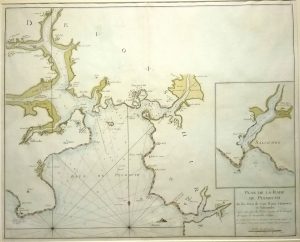
Antique Map of Plan de la Rade de Plymouth, French Edition by Capt. Grenville Collins
Dated: c.1700Image Dimensions: 22¼" x 18" (56.5cm x 45.7cm) -
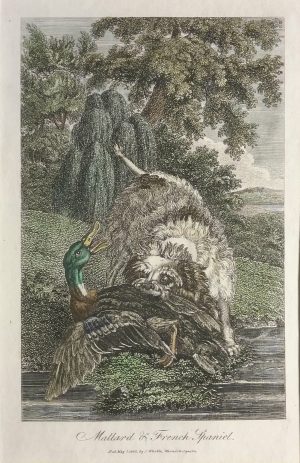 Antique Prints
Mallard & French Spaniel
Medium: Copper EngravingImage Dimensions: 4¾" x 7¼" (12.1cm x 18.4cm)